A new year always feels like a fresh start, a clean slate. That is, until life reminds us it still has plot twists. As the year begins, you’re probably thinking about your health, finances, or career goals. But have you thought about how prepared you are for an emergency? Most people overlook this critical area until it’s too late.
From surprise storms to sudden power outages, the past few years have shown that emergencies don’t wait for us to get our act together. Being prepared isn’t just smart, it’s necessary.
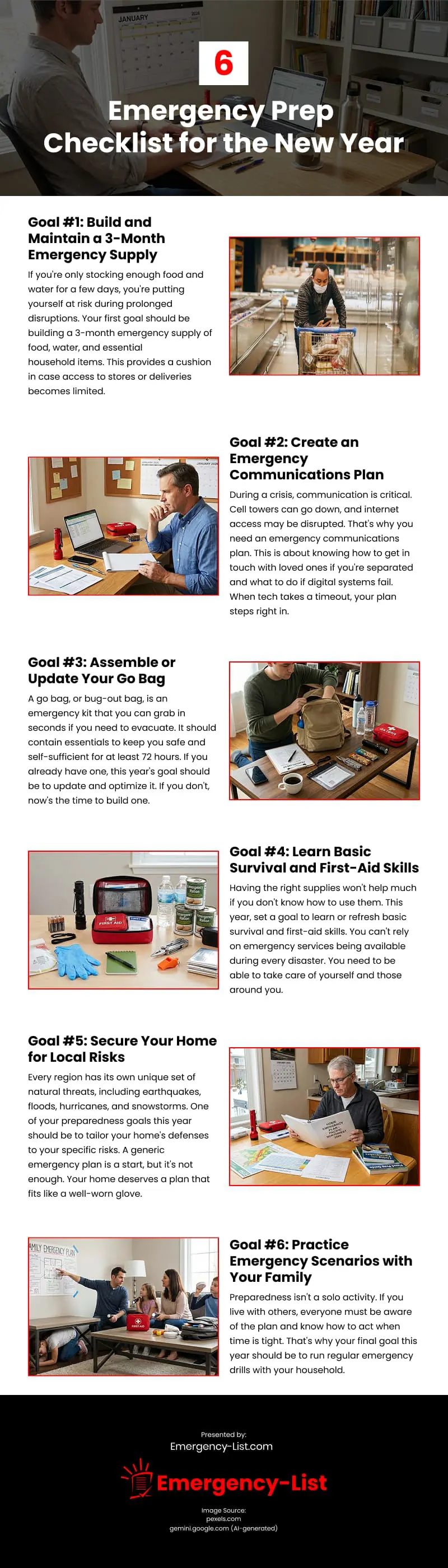
You don’t need to be a hard-core prepper to take action. What you do need is a plan. A few small steps now can save you a world of worry later. This blog will walk you through clear, manageable goals, such as gathering emergency preparedness kit food, so that when the unexpected happens, you’re ready, not scrambling.
Goal #1: Build and Maintain a 3-Month Emergency Supply
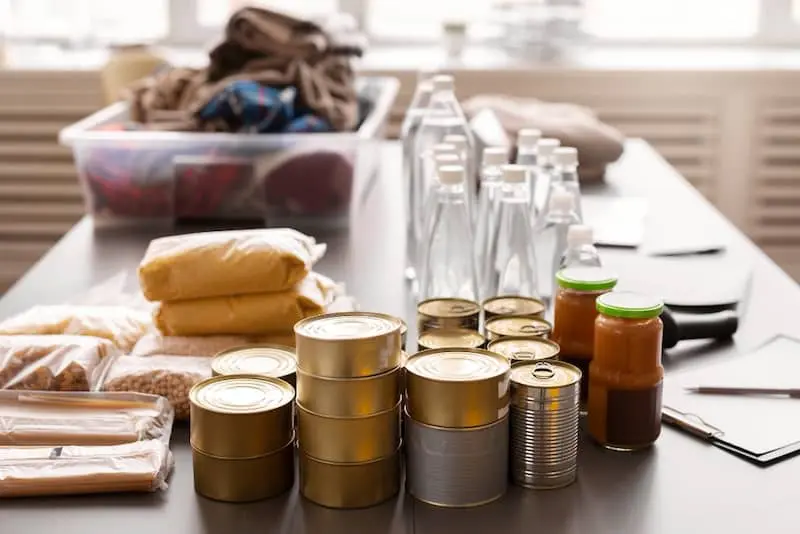
If you’re only stocking enough food and water for a few days, you’re putting yourself at risk during prolonged disruptions. Your first goal should be building a 3-month emergency supply of food, water, and essential household items. This provides a cushion in case access to stores or deliveries becomes limited.
Start by assessing your current disaster emergency supplies. Consider the number of people in your home and calculate the amount of food and water needed to sustain everyone comfortably. Water is often neglected in planning. FEMA recommends at least one gallon per person per day, but you may need more if you’re cooking, cleaning, or dealing with heat. Store water in durable containers and keep purification tools on hand in case you need to rely on a natural source.
Goal #2: Create an Emergency Communications Plan
During a crisis, communication is critical. Cell towers can go down, and internet access may be disrupted. That’s why you need an emergency communications plan. This is about knowing how to get in touch with loved ones if you’re separated and what to do if digital systems fail. When tech takes a timeout, your plan steps right in.
Begin by identifying both primary and secondary methods of communication. Your primary could be a group text thread or messaging app, and your backup might include walkie-talkies or a hand-crank emergency radio. Designate an out-of-town contact everyone can check in with. This person can act as a central point of communication if local lines are jammed.
Maintain a written contact list with key numbers, including those of family, friends, doctors, and emergency services. Don’t assume your phone will always be available or charged. Practice your plan at least once a year so everyone in your household knows what to do.
Goal #3: Assemble or Update Your Go Bag
A go bag, or bug-out bag, is an emergency kit that you can grab in seconds if you need to evacuate. It should contain essentials to keep you safe and self-sufficient for at least 72 hours. If you already have one, this year’s goal should be to update and optimize it. If you don’t, now’s the time to build one.
Your go bag should be lightweight but comprehensive. It should include food, water, medications, first-aid supplies, hygiene items, and survival gear and supplies, such as flashlights, batteries, and weather-appropriate clothing.
Review the contents every six months. Replace expired items, check that batteries still work, and adjust the contents based on seasonal changes or new family needs. Remember, in a true emergency, you won’t have time to pack; you’ll only have time to grab and go.
Goal #4: Learn Basic Survival and First-Aid Skills
Having the right supplies won’t help much if you don’t know how to use them. This year, set a goal to learn or refresh basic survival and first-aid skills. You can’t rely on emergency services being available during every disaster. You need to be able to take care of yourself and those around you.
Sign up for a first-aid or CPR class through the Red Cross or a local community group. Learn how to dress wounds, handle burns, or recognize symptoms of shock. Watch tutorials on how to use water purification tablets or build a fire safely. Practice reading a map without GPS so you’re not lost if your phone dies.
Even just dedicating an hour a month to learning can make a huge difference. Being calm and confident in a crisis isn’t something you’re born with; it’s actually something you train for.
Goal #5: Secure Your Home for Local Risks
Every region has its own unique set of natural threats, including earthquakes, floods, hurricanes, and snowstorms. One of your preparedness goals this year should be to tailor your home’s defenses to your specific risks. A generic emergency plan is a start, but it’s not enough. Your home deserves a plan that fits like a well-worn glove.
If you live in an area prone to flooding, you might need sandbags or a sump pump. If you’re in a tornado zone, reinforcing a safe room or installing storm shutters could be a priority. Earthquake-prone areas benefit from strapping down heavy furniture and water heaters. Your home’s structure, layout, and location all whisper clues about what upgrades matter most; you just have to listen.
You don’t need to do everything at once. Set a quarterly goal. Perhaps this season, you could add a backup generator or install smoke detectors in every room. Minor upgrades compound over time, and each one increases your resilience in the face of disaster.
Goal #6: Practice Emergency Scenarios with Your Family
Preparedness isn’t a solo activity. If you live with others, everyone must be aware of the plan and know how to act when time is tight. That’s why your final goal this year should be to run regular emergency drills with your household.
Start with a simple fire drill. Pick a day, set off the alarm, and have everyone practice getting to safety in under two minutes. Then try more complex scenarios. What would you do if a storm knocked out power for a week? How would you cook, stay warm, and communicate?
Include children in the planning. Teach them how to call for help, where the emergency kit is stored, and how to follow your lead in a crisis. Repetition builds muscle memory, which can be life-saving in high-stress situations.
Turn Preparedness Into a Lifestyle
You don’t need to complete all these goals in January. Preparedness is about steady progress, not instant perfection. Think of it as training a new habit. Perhaps you could start by organizing your emergency pantry this month and tackle home upgrades next quarter. What matters is that you start. The more consistent you are, the more natural it becomes to live with readiness in mind.
Remember, emergencies don’t wait until you’re ready. But if you make preparedness a part of your lifestyle, not just a resolution, you’ll be in a much better position to protect what matters most. When readiness becomes routine, the unknown feels a lot less scary, almost like you’ve got a quiet safety net tucked into your everyday life.
You don’t need to fear the unknown when you’ve already taken the steps to face it. Start now, and make this your safest year yet.
Infographic
The new year is an ideal moment to strengthen your emergency preparedness without feeling overwhelmed. It’s not about fear—it’s about peace of mind and having a solid plan in place. Check out this infographic for a practical New Year’s emergency preparedness checklist.