
When disaster strikes, your first instinct might be to grab food or flashlights. But without safe drinking water, none of your other supplies will matter for long. Water means life, and in emergencies, a water survival kit is what makes that life possible. Whether you’re sheltering in place after a storm or bugging out due to a wildfire, having a way to filter water could mean the difference between staying healthy and getting seriously sick.
Unlike food, which can be stretched for days, your body needs water daily to function. A lack of clean drinking water can lead to dehydration, confusion, and even organ failure in extreme cases. That’s why building your emergency kit should always begin with a reliable water filtration strategy.
The Risk of Contaminated Water
Most people assume the water flowing from the tap is clean. However, in emergencies such as floods or power outages, water sources can become unsafe quickly. Pipes may break, or municipal water systems might be overwhelmed or shut down. Murky rainwater, questionable creek water, or even puddles could be all the water you have left.
Drinking unfiltered water in these conditions exposes you to serious health threats, including bacteria (E. coli), viruses, and parasites (Giardia and Cryptosporidium). These can cause intense stomach issues, fever, and dehydration—all conditions that are especially dangerous when help may be far away.
You can’t afford to take risks. Filtering water means that your emergency drinking water is as safe as possible.
Emergency Water Filtration Options
Your water might look clean, but filtering it means you remove invisible dangers. Emergency filters work by physically blocking contaminants using porous materials. Some systems remove sediment and debris, while others can eliminate bacteria and viruses. A few even neutralize chemical contaminants with activated charcoal.
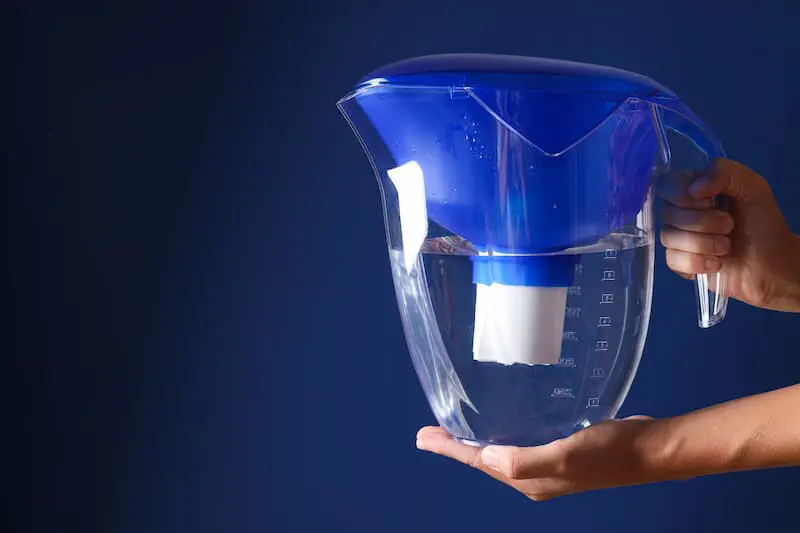
There are several portable water filter options suited for an emergency supplies kit. Firstly, a pump filter. These are useful for filling bottles or containers from natural sources, such as streams or lakes. Another option is a gravity filter. These require no power and are great for family-sized needs. A third choice is a straw filter. These are lightweight and designed for single-person use in the field.
These tools are small but mighty, and they’re designed to perform when traditional water supplies fail. Your personal circumstances will dictate which is best suited for you.
Choosing the Right Water Filtration System for Your Kit
You don’t need to go overboard or spend a fortune to prepare disaster supplies. Start by identifying how many people you’ll be supporting, and how mobile you expect to be in a crisis. Are you sheltering at home? A gravity-fed system may be the best option for you. Planning to evacuate on foot? You’ll need a compact straw or pump filter that fits easily into a bug-out bag.
There are three main things to look for when selecting emergency water filters:
1. Filtration capability
Make sure it blocks bacteria, parasites, and viruses if possible.
2. Filter lifespan
Know how many gallons each filter can safely process before needing replacement.
3. Ease of Use
Choose a method that you can operate under stress, such as in low light or while injured.
Having backups is also smart and gives you peace of mind in case one filter breaks or gets lost.
Don’t Rely on Boiling Alone
Boiling water does kill bacteria and viruses, but it has limitations in emergencies. To boil water, you will need a fuel source, a pot, and time. You might not be able to guarantee all of those things in an emergency.
Additionally, boiling doesn’t remove chemical contaminants or heavy metals, which can be present in floodwater or urban runoff. Boiling water is an excellent fallback method, but it shouldn’t be your only line of defense.
Filtration systems are more flexible and require fewer resources. They’re also easier to use in the field when every second might count.
Real-Life Examples of Water Filtration Saving Lives
Hurricane Katrina, the Texas freeze, and numerous wildfires have taught a consistent lesson: municipal systems often fail, leaving people to fend for themselves. In many of these cases, the households that fared best weren’t the ones with generators or stockpiles of canned goods. They were the ones that had clean water.
Take, for example, residents in Puerto Rico after Hurricane Maria. Those with basic gravity filters were able to keep their families hydrated for weeks despite power outages and supply chain breakdowns. In wildfire zones across the western U.S., evacuees with portable filters were able to drink from creeks and irrigation ditches when bottled water ran out.
You don’t need to wait for a catastrophe to start planning. Having a water filter with your other emergency essentials means you’re already ahead when everyone else is scrambling.
How to Store and Maintain Your Filters
Your water filter won’t help you if it’s broken or forgotten at the back of a shelf. To stay ready, be sure that you store your filter in a waterproof container to protect it from dust and moisture. Check expiration dates and manufacturer guidelines, especially for filters that use chemicals or carbon.
Just like food storage or survival first aid kits, water filtration tools require attention. Build your habit now so you aren’t second-guessing when it matters most.
Take the First Step Toward Water Security
Every emergency plan should start with the basics: shelter, food, and clean water. Of those, only water is an immediate and constant need. By equipping yourself with a trusted water filtration method, you’re protecting your future health.
It doesn’t take much to start. One small filter in your kit is a powerful step toward self-reliance and confidence when the unexpected hits.