
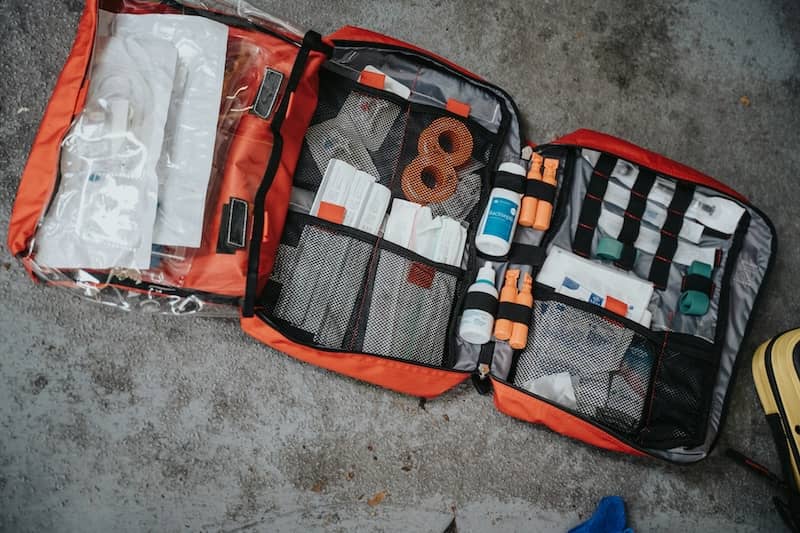
When you picture survival, it’s easy to think of food, water, and a sturdy roof over your head. But what happens if your biggest threat isn’t the storm outside? It’s a medical emergency, and help is nowhere to be found.
A generic first aid kit won’t cut it during a real crisis, especially if you have specific medical conditions, allergies, or prescriptions. Your doomsday medical supplies kit needs more than a box of bandages and over-the-counter painkillers. It needs to be personalized because your unique health requirements don’t take a break in an emergency.
You can’t afford to rely on a one-size-fits-all approach when your health is on the line. Building a kit that actually reflects your daily medical needs and what you might encounter during high-stress scenarios gives you control in a situation where everything else feels up in the air.
What Your Customized Kit Needs
Customizing your doomsday medical kit starts with knowing yourself. That means looking beyond general preparedness checklists and asking, “What emergency medical supplies do I actually need to survive?” Do you have asthma, diabetes, high blood pressure, or a severe allergy? If so, your kit should include the medications and tools necessary to manage those conditions solo.
You can’t assume that access to pharmacies, hospitals, or even online orders will be possible in a major disaster. That’s why you need backup prescriptions, durable medical equipment, and any over-the-counter drugs that support your ongoing health. And don’t just plan for the next week; plan for the long haul. Would you be okay for a few weeks? A month? What about three?
Talk to your doctor about getting extra supplies legally and safely. Some are willing to write emergency prescriptions if they know you’re serious about preparedness. Don’t wait for chaos to knock at your door—get ahead of the curve while you still can.
Factor in Your Environment and Lifestyle
Customizing your kit also means examining your surroundings and how you live. If you live in a hot, humid climate, medications can degrade quickly, so you’ll need to store them differently or rotate stock more frequently. If you live in a rural area, where access to care is limited even on good days, your kit might need to be a fortress compared to someone in a city with hospitals on every corner.
Are you active outdoors? Your kit should show that—think insect bite relief, sunburn care, blister treatments, and wound care for scrapes or cuts. Caring for kids or elderly parents? Their medical needs should be represented, too. Factor in who you’re responsible for and what they would need to stay safe if the grid went down or help was a three-day hike away..
Account for Mental Health Needs Too
Your brain is just as vulnerable in a disaster as your body. The stress, panic, and emotional fatigue of a major event can pile on faster than a sandstorm. If you take medication for anxiety, depression, ADHD, or other mental health conditions, make sure those are included in your emergency kit.
But it doesn’t stop there. What helps you cope? That could be melatonin for sleep, electrolyte tablets to stay hydrated, or even herbal supplements that reduce stress. You might laugh at the idea of packing chamomile tea or a fidget tool in a survival kit, but if those items help keep you centered, they deserve a spot in your gear.
Don’t underestimate the toll of isolation, fear, or sensory overload in a doomsday scenario. Your ability to think clearly and make rational decisions hinges on your mental fortitude. Including items that support your emotional health isn’t a luxury. It’s a strategic move.
Practice Realistic Scenarios and Reassess Regularly
It’s one thing to pack a kit. It’s another thing to use it when adrenaline is screaming at you. Have you ever tried to find a splint in the dark with shaky hands? Can you access your inhaler quickly? Do you know how to administer an EpiPen or rehydrate someone with severe diarrhea? These aren’t questions you want to answer the hard way during an emergency.
That’s why you need to run drills, test your supplies, and train family members to use everything you pack. Build muscle memory now so your hands know what to do even when your brain is doing cartwheels.
Make it a habit to check your supplies every few months. Medications expire, and some first aid items degrade over time. What was a solid kit six months ago might be useless today. Put a note in your calendar to rotate out expired items, refresh supplies exposed to heat or moisture, and stay updated on your current dosages or prescriptions.
Don’t Rely Solely on Internet Advice
There’s no shortage of prepper forums, survivalist YouTube channels, or listicles promising the “ultimate” doomsday medical kit. But what works for Bob in Washington might leave you high and dry in Houston. Online advice can help you gather ideas, but for your own supplies, filter everything through the lens of your specific health needs.
What if a kit includes antibiotics you’re allergic to? Or forgets that you need insulin, test strips, and alcohol wipes every single day? The best prep starts with your own research, your medical history, and a clear sense of what you require to stay alive and well.
Remember: Preparedness Is Personal
Every prepper has different priorities. For some, it’s food and fuel. For others, it’s ammo or comms. But here’s the kicker: none of that gear matters a lick if your body taps out during the crisis. If you’re building a doomsday kit, make sure it doesn’t overlook the one system you rely on the most—your own.
A well-designed medical kit is a lifeline when the chips are down. It should reflect your needs, your challenges, and your reality. Whether that means packing blood pressure meds, backup insulin, or extra pairs of glasses, everything that keeps you ticking counts. Don’t let survival trends dictate your priorities. You know what keeps you functioning. You know what you’d miss most if it disappeared.
So go beyond the generic kits and start building something smarter, something that’s not just stocked but strategic. Your life may depend on it, and when it does, you’ll be grateful you took the time to get it right.