
You can’t live without clean water, so make sure you include plenty of it in your emergency essentials.
You can stretch food. You can improvise light. But clean, safe water has fewer shortcuts. When your taps stop working or flooding compromises local systems, the water you stored in advance becomes a critical safety net.
The goal is simple: keep your emergency drinking water supply clean, accessible, and usable when you need it.
Safe water storage comes down to three main things: smart containers, proper placement, and a routine that keeps your supply fresh. You do not need a complicated setup to do this well. You need a straightforward plan that you can maintain.
Start With a Clear Water Goal
Before you store anything, decide how much water you need on hand.
A common baseline is 1 gallon per person per day for drinking and basic needs. However, real life often requires more, as you will use water for basic cooking needs, brushing your teeth, and cleaning up.
Your climate also matters. Hot weather increases your daily needs, and cold weather can still demand more water if you are doing physical tasks.
A practical approach is to set a minimum number of days you want to cover, then build in a buffer. That extra margin helps you handle delays or unexpected needs without panic.
Choose the Right Containers
Your container choices have a huge impact on water safety. You should choose containers designed for water storage and intended for safe consumption. The best containers reduce contamination risk and withstand long-term storage without breaking down.
Avoid reusing containers that previously held other beverages. Those residues can be hard to remove and can encourage bacterial growth. Thin plastic bottles intended for short-term use also degrade over time, especially when exposed to heat, so they are not ideal for long-term storage.
For most households, a mix of container sizes works best. Smaller containers are easier to move and replace. Larger containers store more water efficiently and reduce the number of items you need to manage. This balanced approach also helps when you need to evacuate quickly, offering a grab-and-go option for your water survival kit.
Here are three container types that tend to work well together:
- One to five-gallon containers for daily access and easy rotation
- Larger water storage containers for bulk supply in a stable location
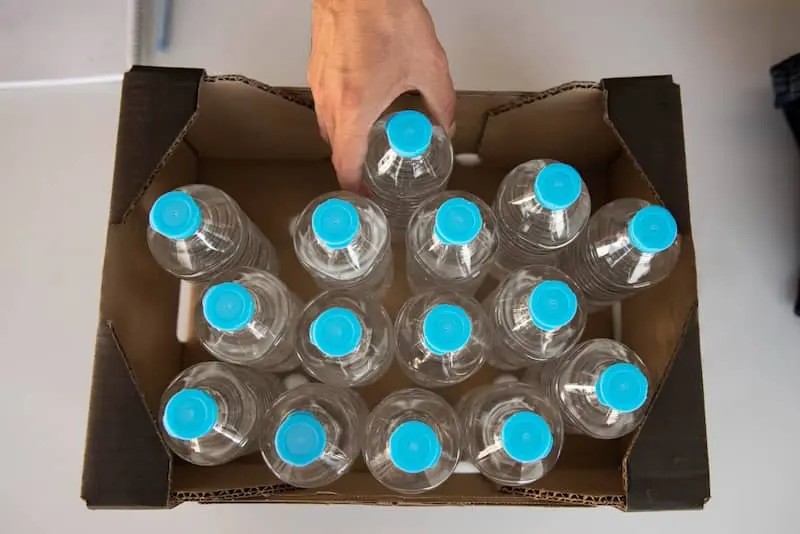
- A few sealed, store-bought water cases for immediate grab-and-go use
Store Water in the Right Place
Where you store your emergency water supply matters as much as what you store it in. Heat and sunlight exposure can damage containers and reduce water quality. Choose a cool, dark, dry area with stable temperatures. A basement, interior closet, or dedicated storage corner away from direct sunlight usually works well.
Keep water away from gasoline, pesticides, paint, and strong cleaning chemicals. Even if the water stays sealed, odors and fumes can transfer, especially through certain plastics. If your only option is a garage, store water on a shelf away from chemicals and off the concrete floor. Concrete can cause temperature shifts and may contribute to container wear over time.
You also want your supply to be easily accessible. In an emergency, you do not want to move heavy boxes or dig behind clutter. Store water where you can reach it quickly and safely. If you live in a multi-level home, store water on each level so you don’t have to carry heavy containers up and down the stairs during an already stressful situation.
Clean and Fill Containers Correctly
If you are filling containers yourself, make sure to start with clean containers. Wash them with warm water and a small amount of unscented household bleach solution, then rinse thoroughly. Let them air dry if possible. Then fill them with clean tap water if your municipal supply is reliable. If you are concerned about your water source, filter your water before storage.
Label each container with the fill date. This system makes water storage easier to manage; you don’t have to guess which containers to use first, and you know exactly which to use sooner.
If you use a water treatment step, follow safe, conservative guidelines. Many people add a small amount of unscented household bleach to disinfect stored water. If you do this, use trusted public health guidance and measure carefully. If you are unsure, focus on clean containers, safe storage, and regular rotation.
Rotate Your Supply on a Simple Schedule
Regular rotation keeps your emergency water supply fresh and gives you confidence that it is still safe to drink. A common schedule is to rotate it every six months, though some households rotate more often based on storage conditions. If your storage area is warm or exposed to seasonal swings, rotate more frequently.
Rotation does not have to mean wasting water. You can use stored water from earlier for tasks like watering plants, flushing toilets during non-emergency maintenance, or cleaning. Then, refill and relabel the container.
A practical suggestion is tying your rotation to a recurring date you will remember. Some people rotate their water supply with their hurricane emergency supplies at the start of hurricane season and again before winter storms. Others rotate when they change the batteries in their smoke detectors. The date you do this isn’t as important as making sure it is a consistent habit.
Build Redundancy With Purification Tools
Stored water is your first line of defense. But a backup purification plan gives you flexibility when an emergency lasts longer than expected or when you need to gather water from outside sources.
Having a portable water filter, purification tablets, or a method to boil water expands your options and reduces the pressure on your stored supply.
You can also plan for simple water collection. Rainwater can be useful for non-drinking purposes, such as flushing and cleaning. For drinking, rainwater will require filtration and purification. Relying on a single water supply method could fail; having a backup plan keeps you safer.
Watch for Warning Signs of Container Problems
Inspect containers during rotation or spot checks and look for bulging, cracks, leaks, or unusual odors.
If a container looks compromised, do not risk using it. Replace it and rethink your storage environment. Heat, sunlight, and rough handling can shorten a container’s lifespan.
If you store water in commercially bottled cases, check the packaging too. Plastic can weaken over time, especially if cases are stacked poorly or exposed to heat. Keep cases off the floor if possible and store them in a spot where they will not be crushed.
Keep Water Use Practical During an Emergency
Even with a strong storage plan, use water wisely. You can save water by choosing meals that require minimal cooking water and using hand sanitizer when appropriate.
Planning helps here, too. If you keep a few disposable cups, paper plates, and wipes in your emergency supplies, you’ll need less water for cleanup.
Don’t make the easy mistake of opening all your water containers at once. Open what you need for the next day or two, and keep the rest sealed. This reduces the risk of contamination and helps to stretch your supply safely.
A Forward-Looking Habit That Pays Off
Safe emergency water storage is one of the most reliable steps you can take for disaster preparedness supplies. When you store water correctly, you protect yourself from sudden, uncontrollable disruptions. You can handle boil notices, infrastructure issues, and severe storms with less stress because you already planned for the basics.
Start with a realistic target, choose safe containers, store them in a stable location, and rotate on a schedule you can keep. That simple system gives you a steady advantage in emergencies.