
One minute you’re watching TV, and the next you’re sitting in front of a blank screen in complete silence. Everything around you clicks off: the dryer, the air conditioning, the stove.
It might all whir back on in a couple of seconds, or you could be out of power for much longer.
Power outages can happen without warning for many reasons, and it is impossible to predict just how long they will last.
Most people know the basics; they’ll grab a flashlight and wait it out. But there’s a big difference between simply getting through a blackout and actually handling it well.
A few common mistakes can turn a minor inconvenience into a serious hazard, so it pays to know what to do and what to avoid.
Do Follow These Steps
When the power turns off, it’s natural to fret about all the meat that could rot in your freezer or what you’ll do without Wi-Fi, but you can funnel your energy in more constructive directions.
Report the Outage
Check your utility company’s website or call its outage line. Most utilities offer real-time maps showing what’s happening in your area and estimated restoration times. That can help you understand whether you may be dealing with 20 minutes or two days, and that difference influences every decision you make next.
Unplug Major Electronics
When the power comes back after an outage, it can return with a surge that damages anything still plugged in. Things like refrigerators, TVs, computers, and gaming consoles can all take the hit. You can potentially save yourself thousands of dollars by either unplugging them from the wall or making sure they’re connected to quality surge protectors before the power comes back on.
Set up Your Light Sources Before Dark
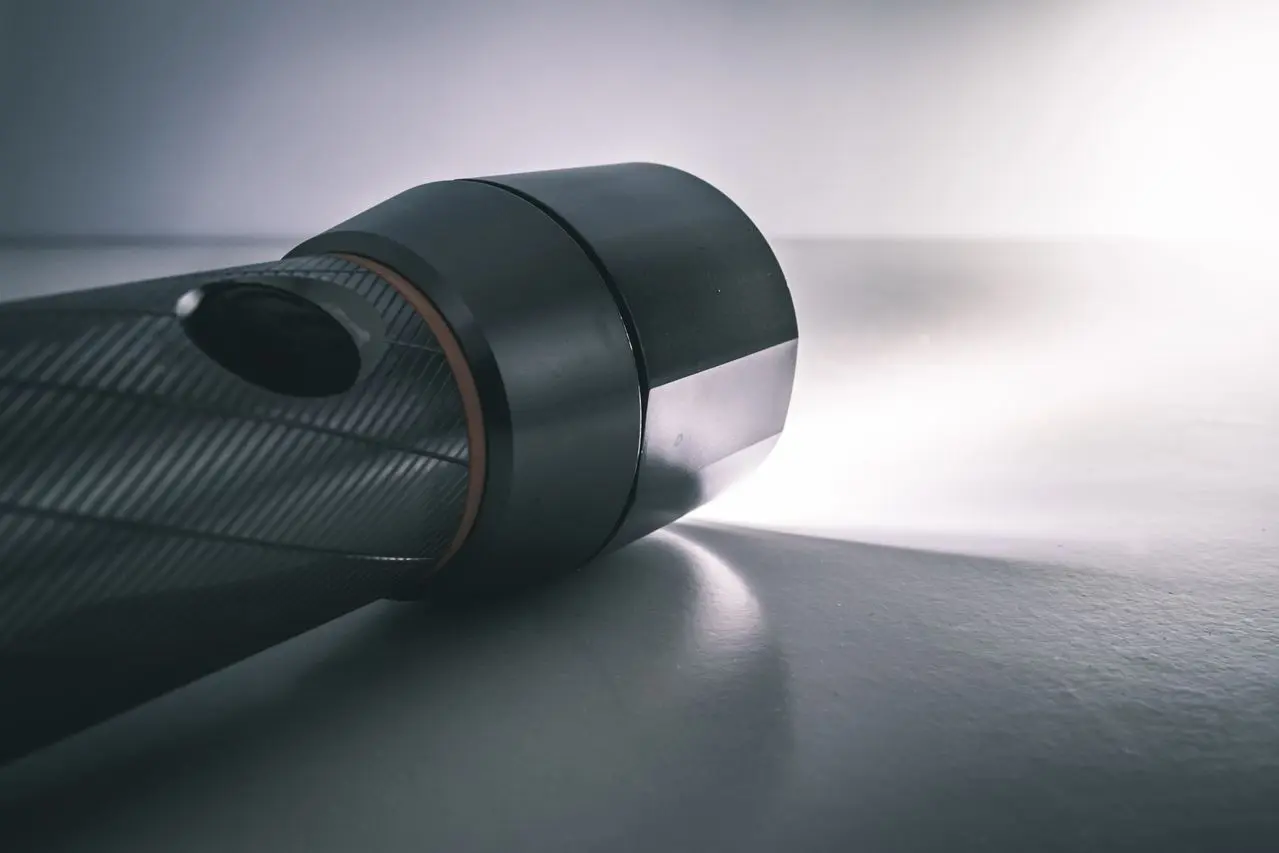
Don’t wait until you’re sitting in the dark to start digging around for flashlights. Get them out now, check the batteries, and put one in every room where you might need it after sunset. You should keep candles and matches in your emergency power outage kit, too, as an extra layer of protection. It’s also smart to keep a manual crank radio with your main flashlights, since it lets you get updates without using up other resources.
Locate the Manual Release Cord on Your Garage Door.
Most electric garage door openers have a small red cord hanging from the track that lets you open the door without power. Find it in daylight, and it’ll take about 30 seconds. Try finding it in the dark, and it could take much longer. Consider adding a glow-in-the-dark toggle to the cord to make it easier to find in the dark, but remember it will only glow for up to 12 hours after being solar-charged, so that won’t help you indefinitely.
Do Build a Power Outage Kit That Works
A robust power outage kit is something you put together ahead of time, not something you scramble to build from a junk drawer when the lights go out. The goal is to keep everything you need in one easy-to-reach spot before you actually need it.
- Start with water. The standard rule calls for one gallon per person per day for at least three days. During a long outage, especially if municipal pumps stop working, stored water isn’t optional.
- Non-perishable food matters more than you think. Shelf-stable options like granola bars, canned goods, and nut butter don’t need cooking or refrigeration. They also keep you from opening the fridge every 30 minutes and letting all that cold air out.
- A portable charger helps you stay connected and informed. Charge all your devices at the first sign of a major storm or outage warning, and keep a power bank fully charged year-round so you never start with an empty battery.
- Round out the basics with a first aid kit, extra batteries, warm blankets for cold-weather outages, and copies of essential documents in a waterproof bag.
Check your kit twice a year and replace anything that has expired or is depleted. A power outage kit with dead flashlight batteries is really just a box of good intentions.
Don’t Make These Common Mistakes
Some common outage decisions look reasonable in the moment but cause serious problems.
Don’t Run a Generator Indoors
One of the biggest mistakes you can make is running a generator indoors. Generator exhaust produces carbon monoxide, an odorless gas that can become dangerous very quickly. Keep generators at least 20 feet from the house and well away from windows and doors.
Make sure you have working carbon monoxide detectors inside, too. Most carbon monoxide detectors have a backup battery or are entirely battery-operated, so they will continue to protect you even during a power outage.
Don’t Try to Heat Your Home with a Gas Stove.
Gas stoves aren’t meant to heat a room and can also produce carbon monoxide. The same goes for charcoal grills you bring indoors.
If a power outage makes your heat go out, too, layer up and stick with properly ventilated alternatives. Carbon monoxide poisoning is deadly and not worth taking the chance on.
Don’t Waste Your Phone Battery
Don’t drain your phone’s battery on entertainment.
Streaming something while you wait out the blackout might sound tempting, but your phone also serves as a backup flashlight, weather radio, and connection to emergency alerts. Save the battery for what matters most and grab a book or board game instead.
Don’t Ignore Medical Needs
One more thing to keep in mind: some medications need refrigeration. Insulin, GLP-1s, and certain other medications can lose their effectiveness quickly outside the recommended temperature range. Know your household’s medical needs and have a plan to keep critical medications safe during an extended outage. Consider a small cool bag with ice packs or even a battery-powered mini fridge just for these medications, which will also prevent you from opening your main refrigerator unnecessarily.
Do Consider Food Safety
Nobody wants to toss out a full refrigerator, but food safety during a long outage can have real consequences.
A closed refrigerator keeps food safe for about four hours, as long as the temperature stays at or below 40 degrees Fahrenheit. After that, perishables enter a gray area.
Meat, poultry, fish, dairy, and anything with eggs should go if the outage lasts more than four hours and you can’t confirm the temperature stayed safe.
Eat the refrigerator items first, then move on to the freezer. A full freezer maintains its temperature for roughly 48 hours, while a half-full freezer lasts about 24 hours.
Before storm season, fill empty freezer space with bags of ice to buy yourself more time. A food thermometer helps here too: if thawing items still register at 40 degrees or below, you can safely refreeze them.
Remember this rule: when in doubt, throw it out. Spoiled food doesn’t always look or smell different from food that’s still safe. Replacing groceries costs a whole lot less than your whole family getting sick.
Do Get Ready Before the Lights Go Out
The best time to prepare for a power outage is before one happens. That means knowing where your kit is, what’s inside it, and how long your household can manage without utility power.
In most places in America, power outages happen from time to time, but you can make them much easier to handle with some basic preparation. A little planning means you can spend the next blackout playing board games by candlelight instead of scrambling around in the dark or making risky decisions.