
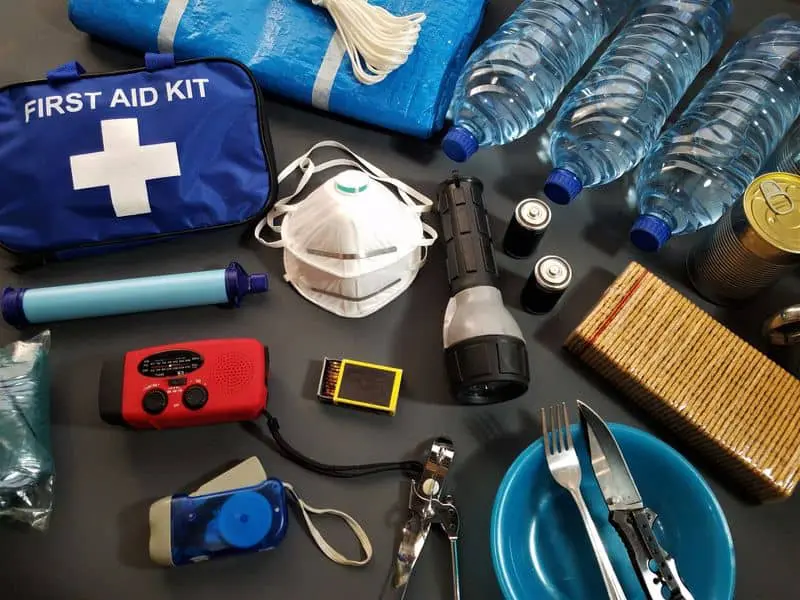
Most of us think we’re more prepared than we really are. When you keep a flashlight in the junk drawer and a few granola bars in the pantry, it’s a good start, but it won’t get your family very far if you have to leave home in a hurry.
A 72-hour emergency kit gives you a solid backup plan. It packs the essentials you’ll need to get through three days on your own.
Why 72 hours? When a major storm, flood, or wildfire hits, help doesn’t always arrive right away. Roads can close, the power can go out, and first responders may have their hands full. For the first three days after a disaster, you may need to rely more on yourself.
That’s not meant to scare you; it’s simply something you should plan for. A ready kit helps you avoid scrambling for the basics and means you feel prepared for whatever might happen.
Here’s what you should include, and why each item is important.
Water
Pack more water than you think you’ll need. A good rule of thumb is a gallon per person, per day, for at least three days. That means a family of four should start with 12 gallons.
Plan for extra water if you have infants or young children. You’ll need it for formula, and kids often use more water than adults in hot weather or stressful situations. A water filter bottle can help if your stored supply starts to run low.
You should also pack water purification tablets. They take up very little space and provide a reliable backup when clean water is scarce and you need an emergency water supply.
Ready-to-Eat Food
Your 72-hour emergency food kit should check three boxes. It should last on the shelf, provide plenty of calories, and be ready to eat without cooking. You may not have access to a stove or running water, so choose foods that work as they are and don’t need extra preparation.
Good options include energy bars, canned meat or fish, peanut butter packets, dried fruit, nuts, and jerky. If you pack canned food, don’t forget a manual can opener.
Most adults need about 2,000 calories a day, and even more if they’re active. Energy bars and peanut butter make it easy to pack plenty of calories without taking up too much space.
Pack enough food for three days per person, and before you shop, consider any food allergies or dietary needs in your household. Don’t waste space on things that can’t be eaten.
First Aid Kit
A basic store-bought kit is a great place to start. Make sure it includes bandages, gauze, antiseptic wipes, and pain relievers. Pack at least a week’s worth of any daily prescription medications your family members need and keep a note with dosages and known allergies in the same bag.
Hand-crank Radio and Phone Charger
When the power goes out, your phone battery won’t last long. A hand-crank radio keeps you updated with weather alerts, and a hand-crank charger helps keep your phone running without an outlet.
Flashlight and Extra Batteries
Choose an LED flashlight because it lasts longer and uses less power. A headlamp is also worth packing. It keeps both hands free, which comes in handy more often than you’d expect.
Copies of Key Documents
Store copies of your ID, insurance cards, and medical records in a waterproof bag. A USB drive with digital backups gives you an extra layer of protection.
Cash in Small Bills
When the power is out, card readers might not work. Small bills make it easier to pay when businesses can’t make change or take card payments.
Warmth Basics
A Mylar blanket folds down to about the size of a deck of cards and does a great job holding in body heat. Pack one for each person. Add a warm layer, a rain poncho, and sturdy shoes you can move in quickly.
Supplies for Pets and Young Children
Pack three days of pet food, a collapsible bowl, and any medications your pet needs.
If you have an infant, include diapers, formula, and baby food. Remember to update your pack supplies when your child changes diaper size or dietary needs (such as how much baby formula they require).
For older children, pack a favorite comfort item to help them through a stressful time. The small amount of space it takes up is worth it to reduce fear, provide emotional security, and distract them from the changes unfolding around them.
A Multi-tool
A multi-tool earns its place in any emergency kit. It takes up very little space but handles more jobs than you might expect, from cutting and prying to making quick repairs.
Pack Everything Into One Bag
Your supplies only help if you can grab them quickly; pack them into one sturdy bag. It should hold everything you need without being too heavy to carry. A backpack or duffel with padded straps works well for this. Avoid a wheeled suitcase or a single-shoulder-strap bag.
Keep your kit somewhere easy to reach, like a hall closet, by the front door, or under a bed. Check it twice a year. Replace food, water, and medications before they expire, swap in fresh batteries, and update any documents that have changed.
Small Steps Add Up
You don’t have to build your kit in one afternoon. Start with water and food, then add first-aid supplies and other essentials like a flashlight, batteries, important documents, and extra clothing.
Build it a little at a time over a few weeks. The important thing is to start. By the time you’re done, you’ll have a 72-hour emergency survival kit that your family can grab in minutes and count on when things go sideways.