
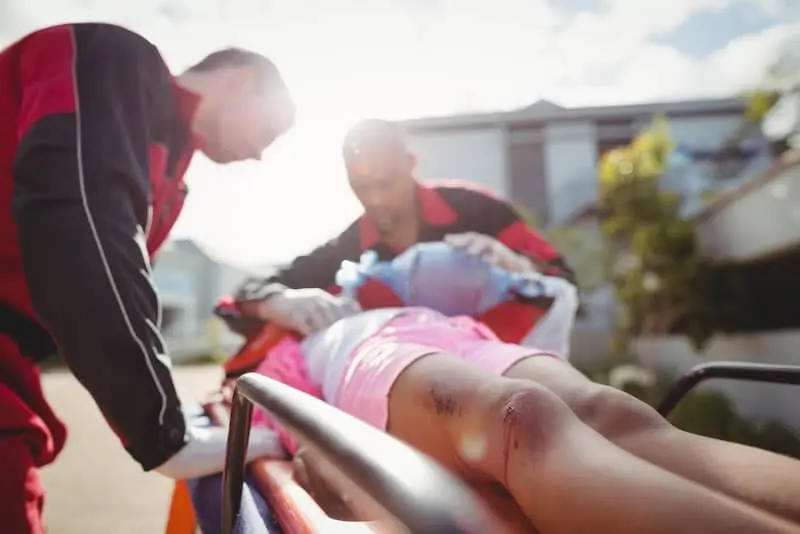
Once the storm passes, the shaking stops, or the fire line moves on, you have to deal with what comes next.
The dangers after a disaster can take many different forms. From broken glass to spoiled food, contaminated water to exposed nails, and growing mold to smoke damage, the stress of unsafe cleanup conditions can hurt you just as easily as the original event.
That is why disaster recovery needs the same attention as preparation. If you know how to protect yourself in the aftermath of a disaster, you can reduce your risk of infection, injury, and other setbacks that make a hard situation even harder.
Watch Your Surroundings Before You Start to Clean Up
Understandably, your first instinct may be to start picking things up right away. Clearing away any debris and removing the visible signs of what has happened might feel like the closest way to get back to normal.
You should slow down and scan the area first. Look for potential hazards, such as unstable walls, fallen wires, shattered glass, sharp metal, or slippery surfaces. If you rush to clean up, it could lead to cuts, trips, and preventable injuries.
If your home or vehicle was damaged, use daylight when possible. A flashlight helps, but it can miss hazards hidden under debris or inside wet materials. Wear sturdy shoes instead of sandals or bare feet.
If you have gloves, eye protection, and long sleeves, put them on before you touch anything. (And make sure to put these supplies in an emergency kit or box alongside other essentials so you have them at the ready.)
This protection matters even in smaller events. A flooded garage, a damaged shed, or a tree branch through a fence can create the same kinds of hazards as a larger disaster scene. You should treat every cleanup area as if it contains something sharp or contaminated until you know otherwise.
Keep Wounds Clean
Small injuries can turn into much bigger problems after a disaster. Creating a kit with disaster medical supplies will keep you prepared. It should include items like wound care kits and tools like scissors and tweezers.
Dirt, floodwater, ash, and bacteria can get into even a minor cut. Clean wounds as soon as you can with safe water and antiseptic wipes from your medical kit if possible. Cover the area with a clean bandage and check it often.
If you get a deeper cut from debris, stop the bleeding first. Apply steady pressure with a clean cloth or bandage. Once the bleeding is under control, clean around the wound and watch for redness, swelling, warmth, or drainage in the days that follow. Those are warning signs that you may need medical care.
Keep your tetanus protection in mind, too. Nails, splinters, and rusted metal often appear after storms and structural damage. If you are unsure whether your shot is current, follow up with a medical provider when services are available.
Take Water Safety Seriously
After a disaster, water safety becomes one of your biggest concerns. Pipes may break. Flooding may carry sewage, chemicals, and debris into local water sources. A clear glass of water can still be unsafe.
Use your emergency water supply first if you have it. If you need to rely on other sources, filter or purify the water before drinking, cooking, brushing your teeth, or cleaning wounds. Pay attention to local boil notices and public health guidance when services return.
Water safety also affects everyday cleanup. Wash your hands with safe water before eating and after handling debris, trash, or contaminated items. If clean water is limited, hand sanitizer can help for routine hygiene, but it does not replace proper wound cleaning.
Be Careful With Food During Disaster Recovery
A prolonged power outage can pose a serious health risk to your refrigerator and freezer. Food that sits too long at an unsafe temperature can cause debilitating stomach illnesses, at a time when your family really doesn’t need to be dealing with anything else.
If you aren’t sure if something has stayed cold long enough, throw it out and break out your emergency food supplies. Don’t take risks with your health.
You should pay particular attention to meat, dairy, eggs, and leftovers, as these items spoil quickly. Canned goods can also become unsafe if floodwater reaches them or if the cans are swollen, leaking, or badly damaged.
Keep your recovery meals simple. Shelf-stable foods, sealed snacks, and stored water reduce your risk while utilities are unstable.
Protect Your Lungs During Cleanup
Dust, mold, ash, and insulation can all affect your breathing after a disaster. These can be more problematic if you have asthma, allergies, or any condition that makes smoke and particles harder to tolerate.
Open windows when it is safe to do so, and use a mask that fits your cleanup conditions.
Mold is a common problem after flooding or leaks. Damp drywall, carpets, and furniture can quickly support its growth. If an area smells musty or looks discolored, take it seriously. Drying and removing wet materials early helps limit how much mold spreads through your living space.
Wildfire recovery adds another layer of risk. Ash can irritate your eyes, skin, and lungs. Sweep it away gently instead of stirring it into the air. Bag debris carefully, and keep children and pets away from heavy cleanup zones until conditions improve.
Do Not Overwork Yourself
Disaster cleanup often pushes people to work harder and longer than their bodies can handle. Fatigue then leads to poor decisions, clumsy movements, and missed warning signs. Heat, dehydration, and emotional strain make all of that worse.
Pace yourself. Take breaks. Drink water regularly. Lift carefully and ask for help with heavy items. If you start feeling dizzy, weak, short of breath, or mentally foggy, stop and reset before continuing.
Imagine if you were to spend hours clearing a yard after a storm, then skip meals, ignore the heat, and end up injured from a preventable fall. The work still needs to get done, but steady progress protects you better than a fast push followed by a medical problem.
Keep Illness From Spreading At Home
Recovery often means disruption to all of your routines. You may be dealing with crowded spaces, disrupted sleep, shared supplies, and less access to normal hygiene. Those conditions make it easier for stomach bugs, colds, and skin irritation to spread through a household.
Clean shared surfaces often, especially if water service is unreliable and people are eating from packaged foods or using temporary sanitation options. Keep trash under control and separate contaminated items from clean supplies.
If someone feels sick, be more deliberate about handwashing and hydration. If you can, keep them away from others so they don’t spread germs.
Children may need extra reminders because they touch everything during stressful situations. Seniors may need closer monitoring if they become dehydrated or stop eating well.
Keeping the household healthy after a disaster takes active attention, not just good luck.
Recovery Gets Safer When You Stay Methodical
The best post-disaster safety habit is simple: slow the process down enough to think clearly. Check hazards before you jump into cleanup. Treat every wound early and check it often. Use safe water and be selective with food. Protect your lungs by wearing masks if you need to. Work in a measured rhythm, and rest regularly.
This steady approach gives you a stronger recovery path and fewer avoidable setbacks. A disaster will leave enough damage on its own. You do not need a secondary injury or illness that creates more problems later.